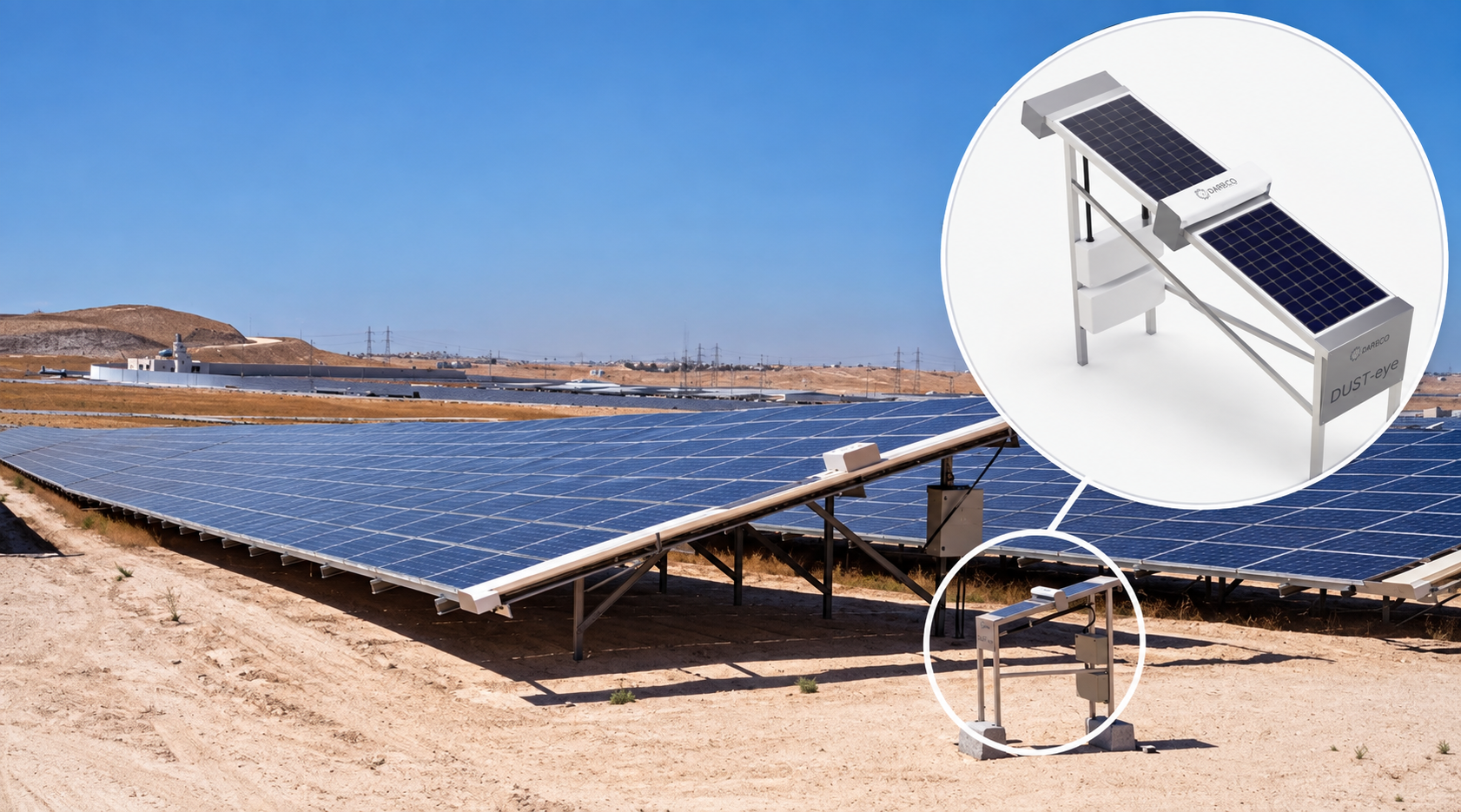

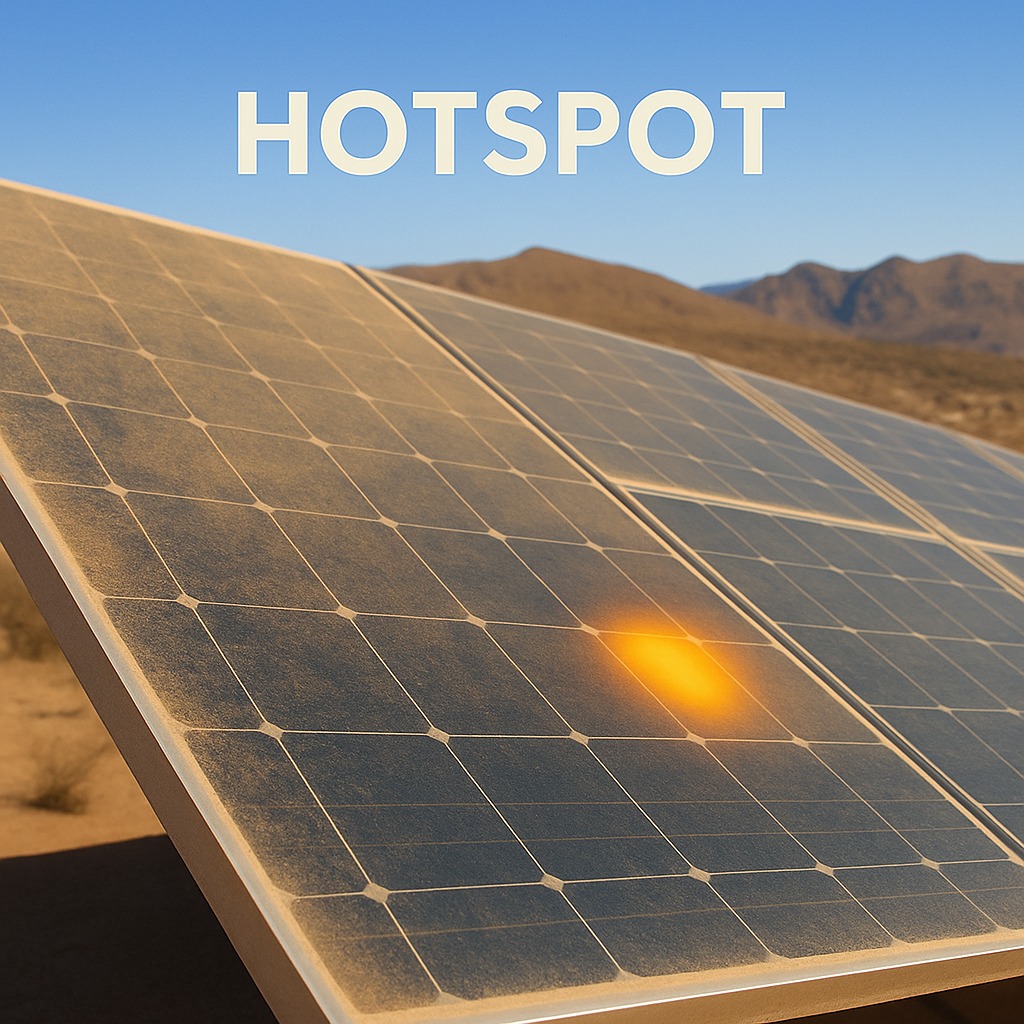
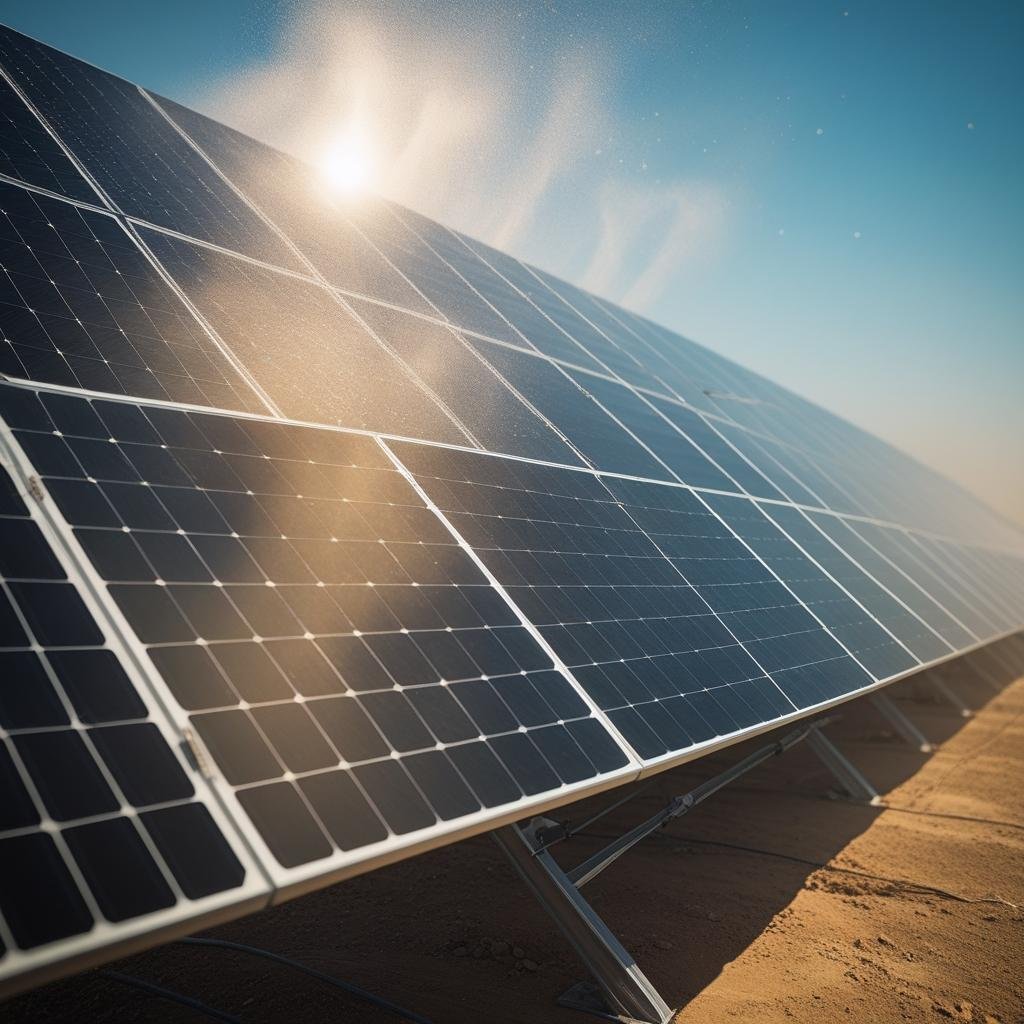
In solar plants, cleaning is often treated as a scheduled maintenance activity. But soiling is not a fixed event: dust accumulation changes continuously depending on the site, season, wind conditions, humidity, and local environmental conditions.
This creates a fundamental question for solar asset owners and O&M teams: Why clean the panels on a fixed schedule when the system can measure when cleaning is actually needed?
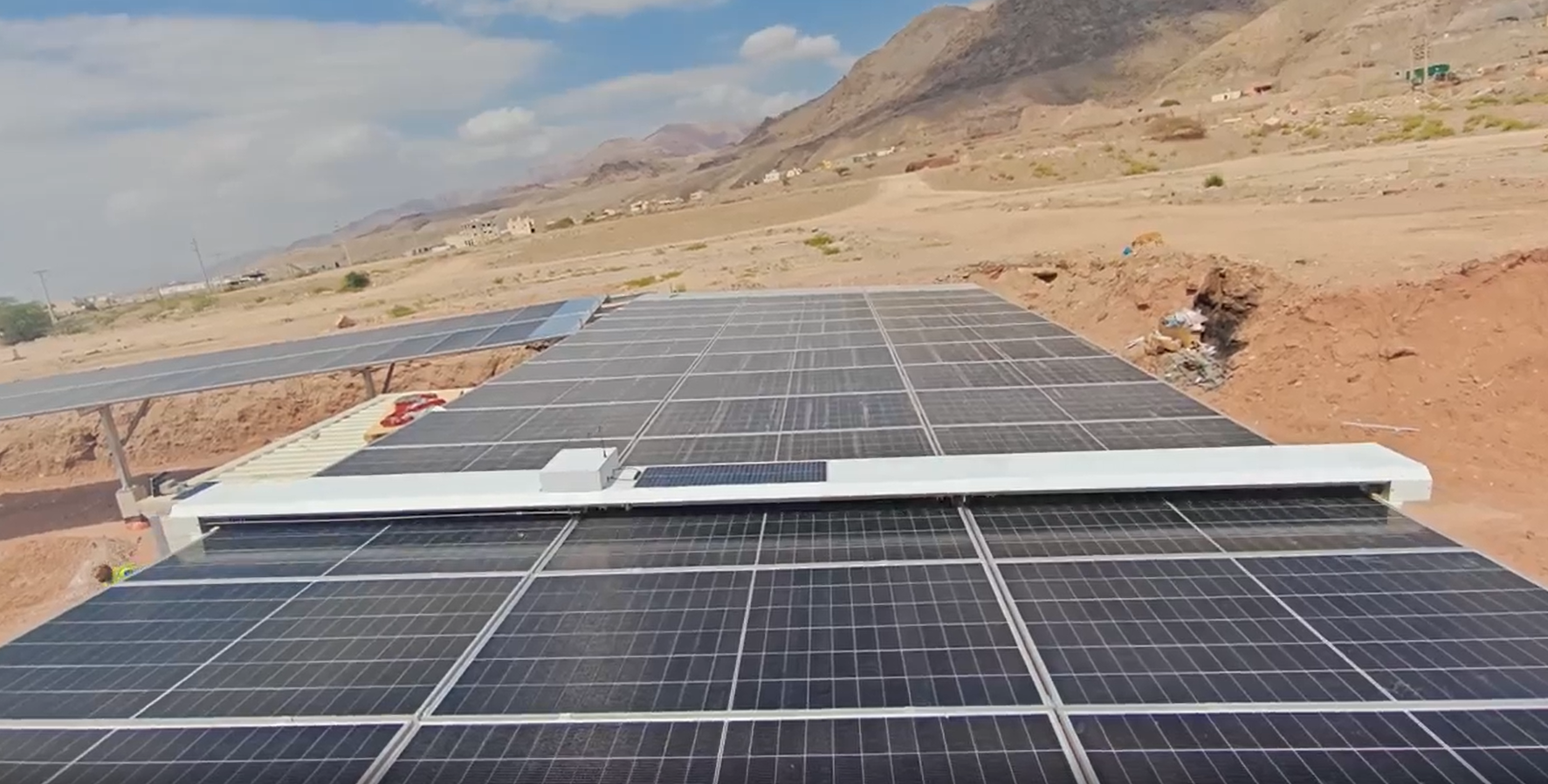
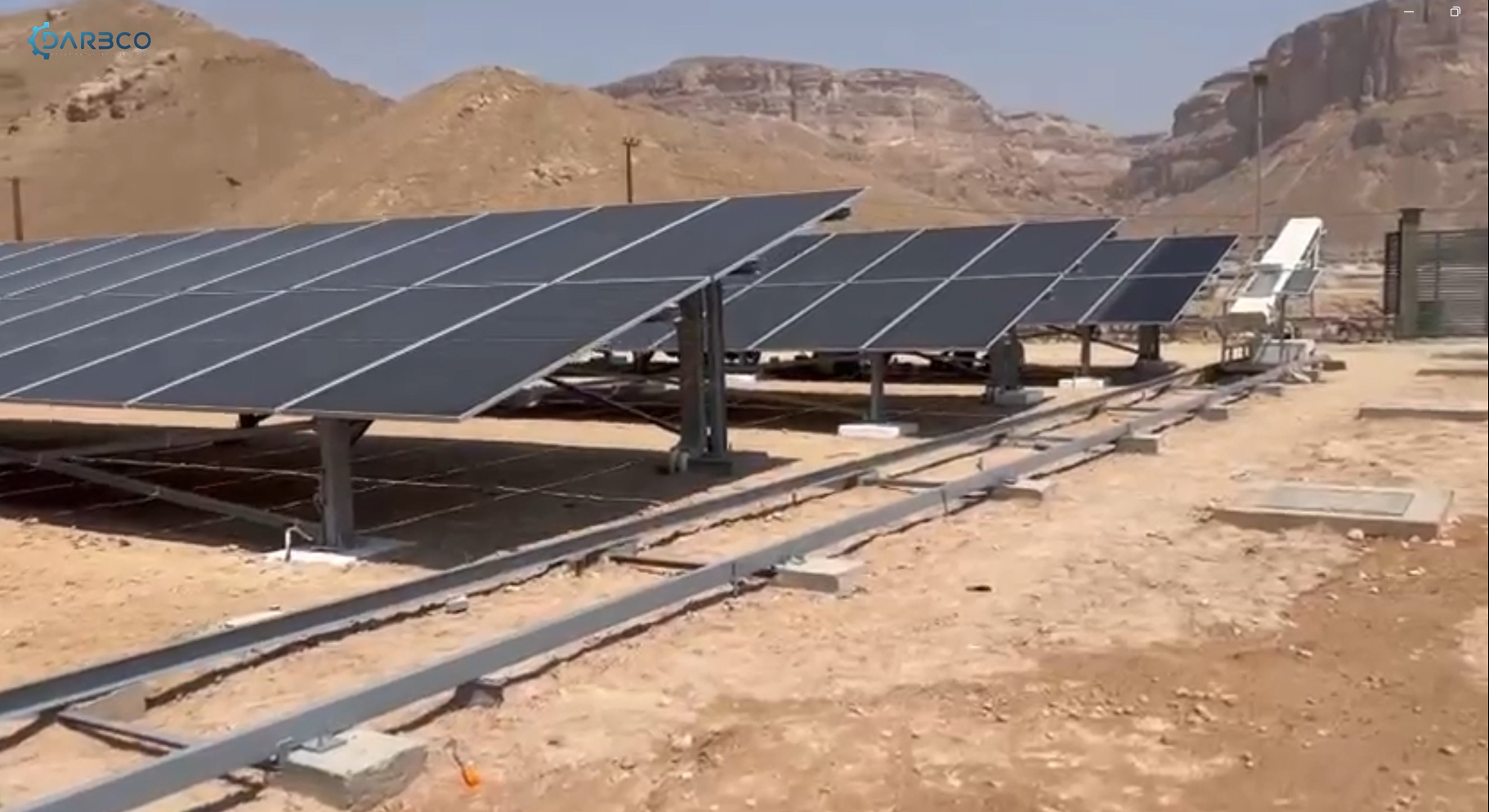
DARBCO’s approach combines DUST-eye Soiling Monitoring System with DARBCO robotic cleaning technology in one connected system, allowing measured soiling conditions to become an automated trigger for robotic cleaning.
From Scheduled Cleaning to Condition-Based Cleaning
Traditional cleaning strategies commonly rely on:
- Fixed cleaning schedules
- Manual inspection
- Operator experience
- Visual assessment
- Periodic soiling measurements The limitation is that none of these approaches continuously reflects the actual soiling condition of the PV array. A fixed schedule can result in: Over-cleaning: unnecessary water, labor, equipment operation and OPEX. Or: Under-cleaning: accumulated soiling causes energy losses while the plant continues operating below its potential. A condition-based approach changes the logic: Measure the soiling → determine the energy-loss threshold → trigger cleaning when the threshold is reached.
This is where DUST-eye becomes more than a monitoring device.
What Does DUST-eye Measure?
DUST-eye is a dedicated soiling monitoring station designed to continuously monitor the accumulation and impact of dust on photovoltaic surfaces. Instead of simply asking “Is there dust on the panels?”, the system provides data that can be used to answer a more important operational question: “Has the current level of soiling reached the point where cleaning is economically justified?”
The monitoring data can be integrated into the DarbSense IoT Platform, creating a continuous data connection between the soiling monitoring station, the solar plant and the robotic cleaning system.
Turning Soiling Data into a Cleaning Trigger
The key concept is the soiling threshold. A plant operator can define a threshold according to the project's operating strategy. For example: Start cleaning when the measured soiling loss reaches 2%. The system continuously evaluates the measured condition. If: Soiling Loss < Cleaning Threshold → Continue monitoring. If: Soiling Loss ≥ Cleaning Threshold → Cleaning request is generated. The robot can then be instructed to execute the cleaning cycle. Importantly, the threshold does not necessarily have to be based only on a fixed percentage. It can be defined according to the project's economics, energy prices, cleaning cost, water availability, production targets and operational constraints. The Complete Closed-Loop System The integration can be viewed as a closed operational loop: DUST-eye → DarbSense → Cleaning Decision → DARBCO Robot → Clean PV Surface → DUST-eye
Step 1 - Measure DUST-eye continuously monitors the soiling condition. Step 2 - Analyze The data is transmitted to DarbSense, where the current soiling condition can be evaluated against the configured threshold. Step 3 - Trigger When the predefined condition is reached, the system generates a cleaning command or cleaning recommendation. Step 4 - Execute The DARBCO robotic cleaning system performs the cleaning operation. Step 5 - Verify Following cleaning, the monitoring system can continue measuring the site condition, allowing the operator to observe the resulting change in soiling and maintain a continuous operational history.
This creates a transition from monitoring to automated decision-making.
Why the Timing of the Trigger Matters
Reaching the soiling threshold does not necessarily mean the robot should start immediately. A smart cleaning system should consider the best available cleaning window. For example, the system can combine the cleaning trigger with operational conditions such as:
- Current soiling level
- Solar irradiance
- Plant operating condition
- Robot availability
- Cleaning schedule
- Weather conditions
- Wind conditions
- Site operating constraints
- Water availability, where applicable Therefore, the logic becomes: Threshold reached + suitable operating window = cleaning command rather than simply: Threshold reached = immediate cleaning
This distinction is particularly important for large-scale PV plants where cleaning thousands or millions of panels is an operational process that needs coordination with the plant's O&M strategy.
Moving Toward Predictive O&M
Once historical soiling data is collected, the system can go beyond a simple threshold. Historical data can help identify:
- Average daily soiling rate
- Seasonal soiling patterns
- Cleaning frequency
- Time between cleaning events
- Cleaning effectiveness
- Site-specific dust behavior
- Energy-loss trends
This creates the foundation for data-driven cleaning optimization. For example, if the system observes that a specific site typically accumulates soiling rapidly after certain environmental conditions, the O&M team can anticipate the next cleaning requirement rather than simply reacting to it.
One Integrated System
By integrating DUST-eye + DarbSense + DARBCO robotic cleaning, the solar plant moves from a reactive maintenance model toward an automated, condition-based cleaning strategy. The concept is simple:
DUST-eye detects the condition. DarbSense analyzes the data. The threshold defines when action is required. The robot executes the cleaning. The system continues monitoring.
This creates a continuous feedback loop between soiling, decision-making and cleaning. For solar asset owners and O&M teams, the value is not simply having a robot or a soiling sensor independently.
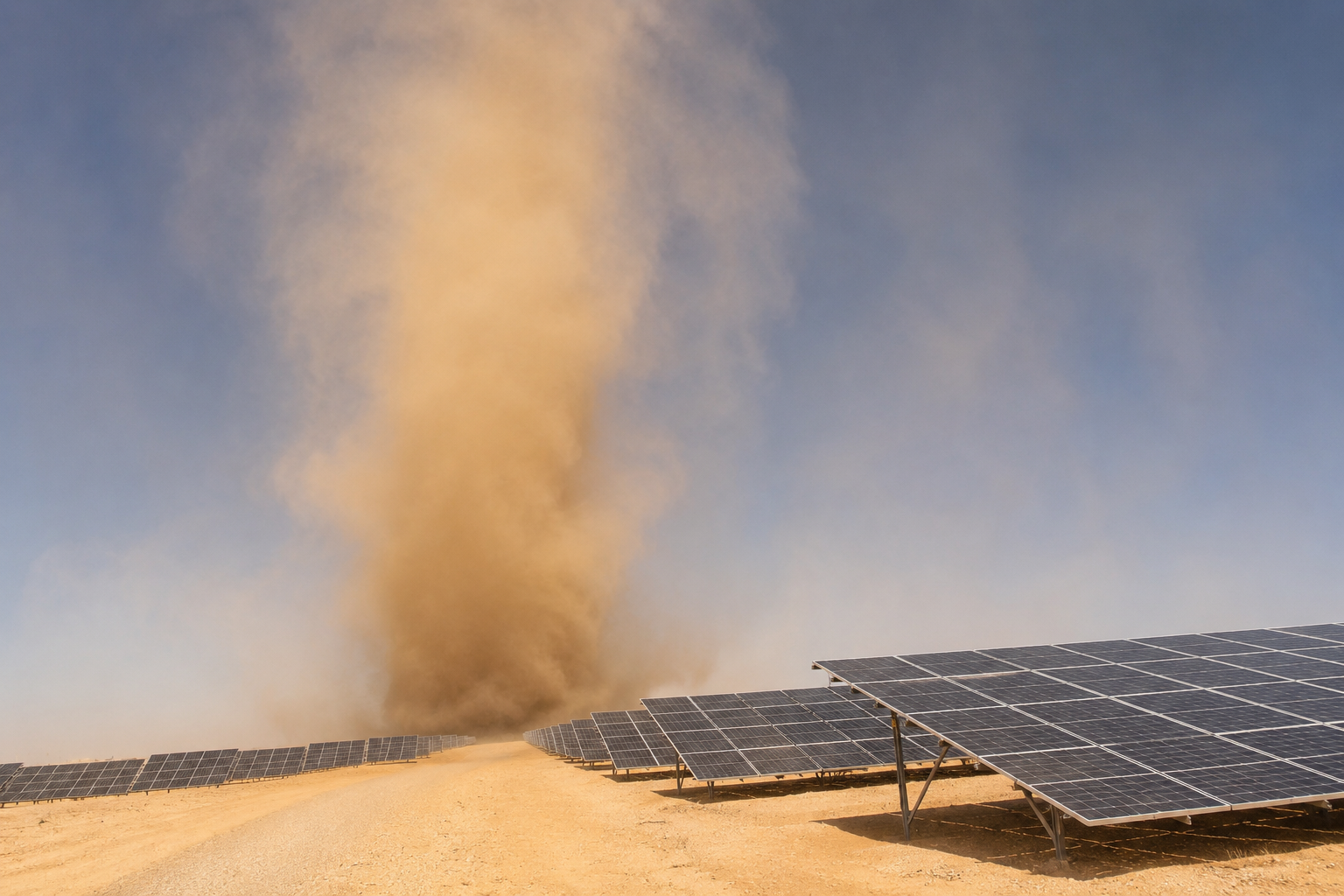
Because in solar plants, you can't prevent a dust devil… But you can prevent it from becoming days of unnecessary energy loss!
Watch the full video: https://youtu.be/QfsETLvxqAQ
 Back to News