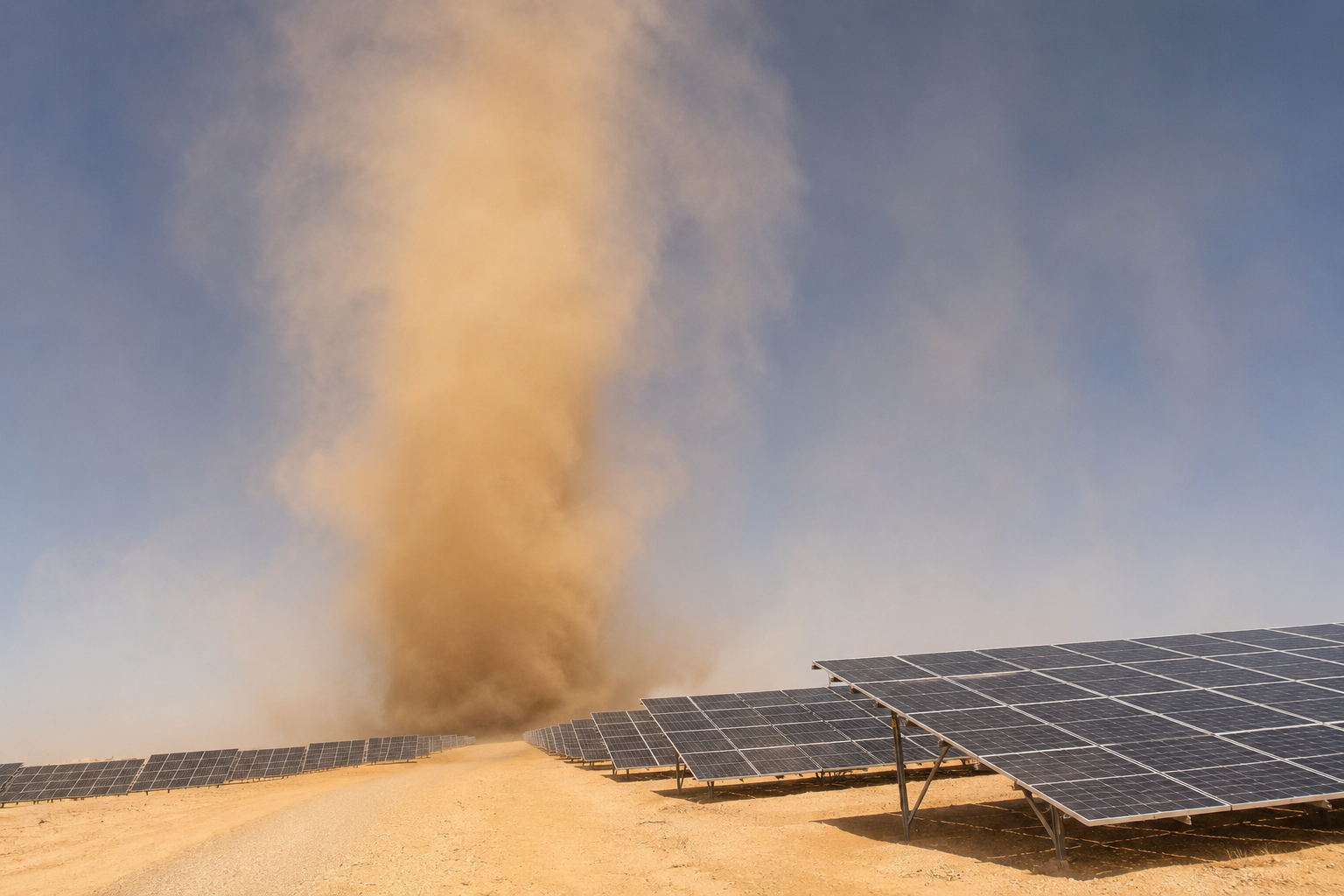
What Happens After a Dust Devil Crosses Your Solar Plant?
If you've ever watched a dust devil sweep across a solar plant, you've probably wondered:
What just happened to the PV modules?
The answer is far more significant than a thin layer of dust.
A dust devil is one of the fastest soiling events a solar plant can experience. Formed by intense solar heating and rapidly rising air, it creates a rotating vortex capable of lifting and redistributing large quantities of dust within seconds. These events are particularly common in desert regions during spring and summer, when high solar irradiance, dry soil, and elevated ground temperatures create ideal conditions for their formation. They are most frequently observed during the hottest hours of the day, exactly when PV plants are operating at peak production.
Unlike gradual dust accumulation, a dust devil deposits dust unevenly across the PV array. Some strings may remain relatively clean while others become heavily contaminated, creating non-uniform soiling that immediately reduces optical transmittance, increases electrical mismatch, and begins impacting energy production.
The challenge isn't only the dust… It's the speed!
Your plant may have been cleaned yesterday -or even a few hours ago- but a single dust devil can completely change the site's soiling condition in less than a minute. Dust events don't follow maintenance schedules, and they certainly don't wait for the next planned cleaning cycle.
This is where maintenance strategy becomes just as important as cleaning technology.
Traditional cleaning methods require mobilizing personnel, transportation, site access, and operational coordination. By the time a cleaning crew reaches the plant, valuable production may already have been lost.
DARBCO Robotic Cleaning Solutions change that equation.
Instead of treating cleaning as a scheduled maintenance activity, it becomes an immediate operational response. Through DarbSense, DARBCO's IoT platform, operators can remotely initiate robotic cleaning cycles whenever unexpected soiling events occur, without dispatching cleaning crews, without additional costs, and without interrupting plant operation.
The true value of autonomous robotics is not simply automating the cleaning process… it is automating the response.
By minimizing the time between contamination and recovery, operators can restore plant performance within minutes instead of waiting days for the next scheduled cleaning cycle.
For operators seeking even greater operational insight, DUST-eye by DARBCO provides an additional layer of intelligence. Installed directly within the solar plant, it continuously measures real soiling losses under actual site conditions, enabling operators to monitor soiling trends, validate cleaning effectiveness, and further optimize their maintenance strategy through real performance data.
Because in utility-scale solar plants, you can't prevent a dust devil… But you can prevent it from becoming days of unnecessary energy loss!
Watch the full video:
https://youtube.com/shorts/SjkZZJQ8XmI?si=wEJtszkcgQKm72-Q
More Articles

June Is Here. Are Your Solar Panels Ready for Their Most Important Month?
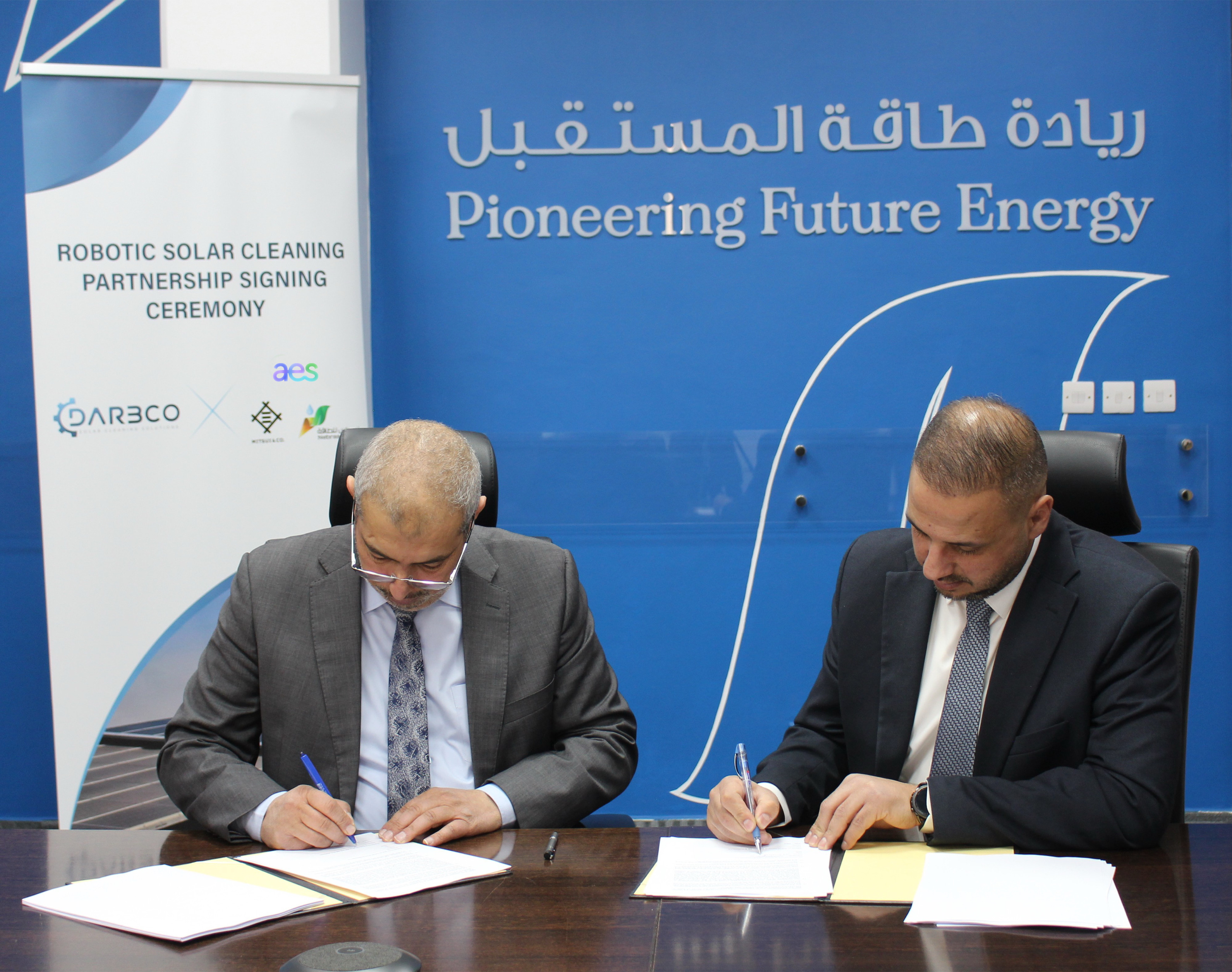
DARBCO Robotics Signs Strategic Agreement to Supply Robotic Cleaning Solutions for One of the Region’s Largest Landmark Solar Projects – AM Solar East Amman (51.95 MW)
Maximizing Solar Plant Performance with Optimal Investment: How One DARBCO Robot Can Clean More Than 1 MW!
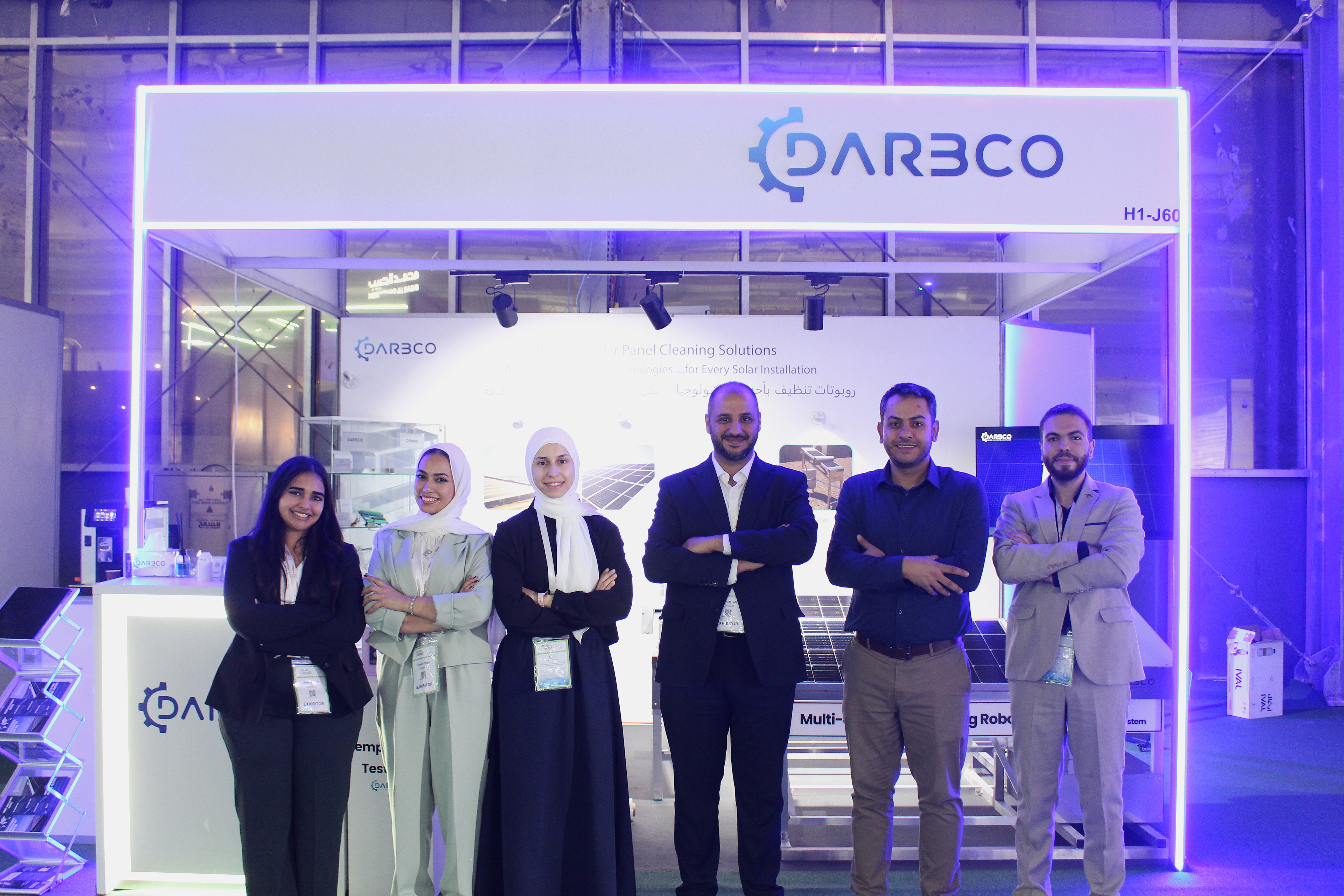
DARBCO Robotics Showcases Next-Gen Solar Cleaning Technologies!

DARBCO Expands to the USA and Showcases Innovation at RE+ 2025

DARBCO Robotics at the 3rd Annual Student Meeting of the AEE
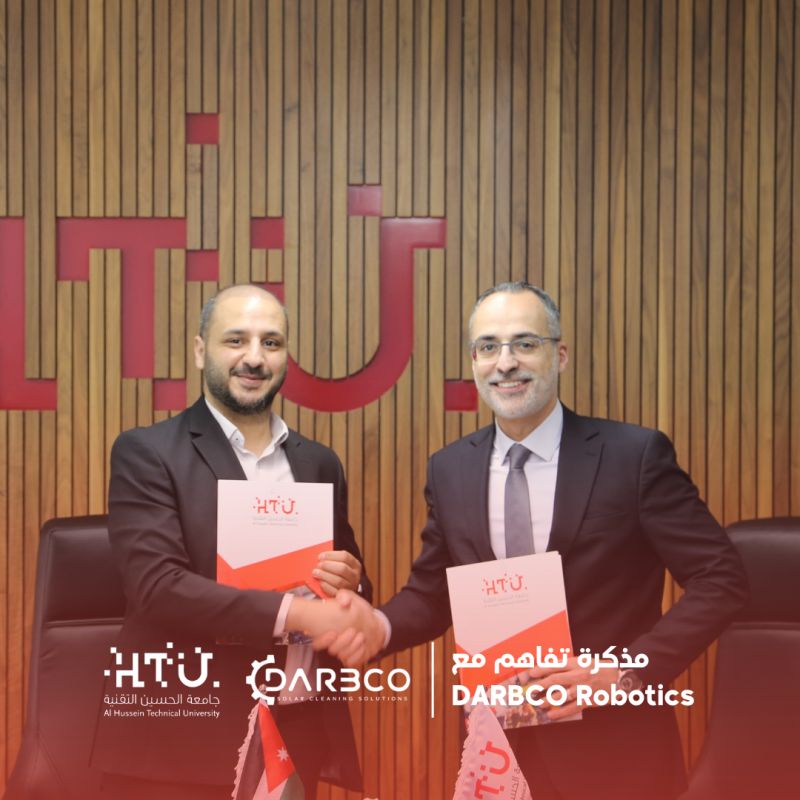
DARBCO Robotics Signs Strategic MoU with HTU
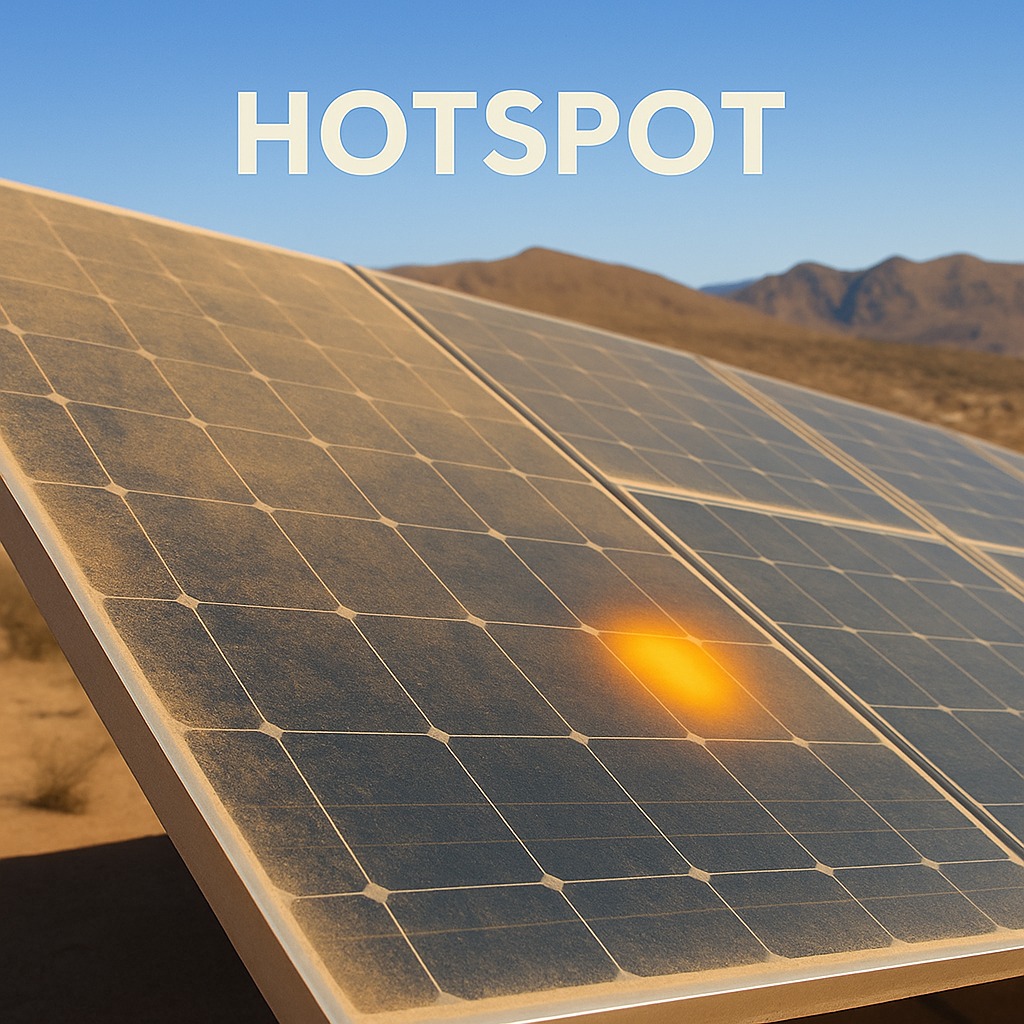
Hotspots on Solar Panels: Mechanism, Impact, and Mitigation
Why Solar Panel Efficiency Is Limited- and How Does DARBCO Help?
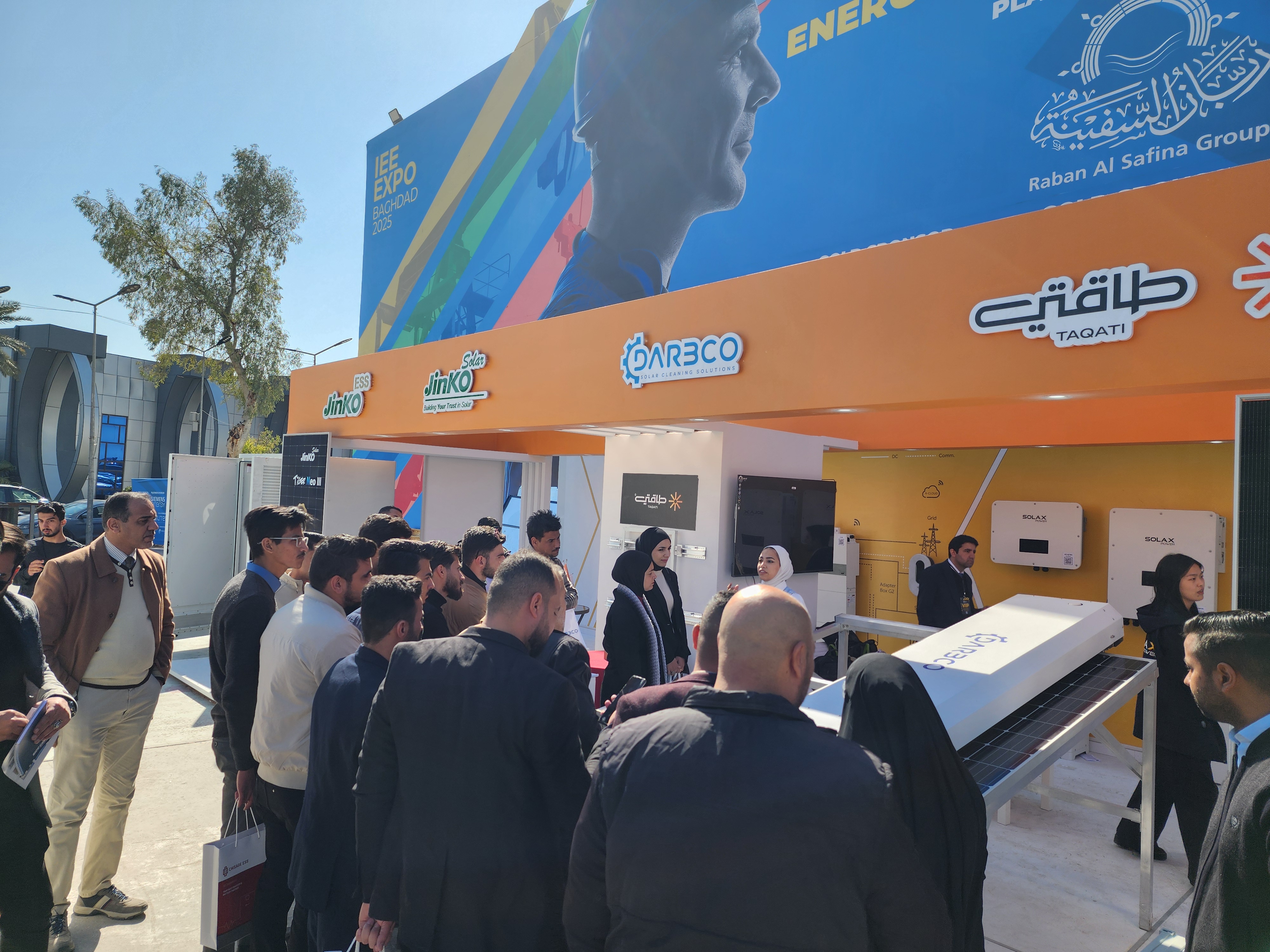
DARBCO Robotics Showcased Its Latest Innovations at IEE Iraq2025

DARBCO Robotics Featured in Who’s Who in Jordan’s EWE

DARBCO Robotics Wins Jordan’s Top Innovation Award
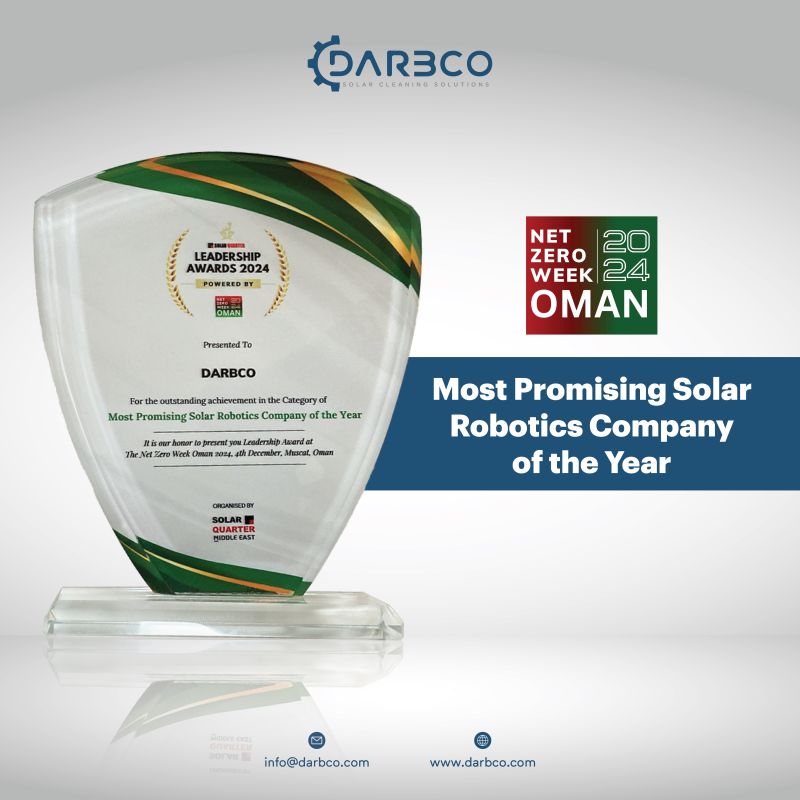
DARBCO Named Most Promising Solar Robotics Company of the Year
DARBCO Robotics Recognized as a Deep Tech Pioneer